What a Portrait Actually Is
Stock photos exist. AI-generated headshots exist. You can have a serviceable image of yourself within the hour, without talking to anyone, without leaving your office.
And yet most people who go that route end up feeling vaguely embarrassed by their own profile photo. There's a reason for that.
What a portrait actually is
A portrait isn't a record of your face. It's a record of a moment between two people — you, and someone who is paying close attention to you. That dynamic can't be automated. It can barely be faked.
When I photograph someone, I'm not trying to produce a flattering image of them. I'm trying to observe them until something honest shows up — a glance, a posture, a half-second where they forget they're being photographed. That's the frame I want. Everything else is just selecting the right light to make it visible.
This is why the word "customized" misses the point. Good portrait photography isn't customized — it's just attentive. The photographer pays attention to who you actually are, and makes decisions based on that. Anything generic is the absence of that attention.
Studio vs. outdoors in Palma
Palma is an unusual place to work as a photographer. The light is genuinely exceptional — that clarity you get in the Mediterranean late afternoon, the way the old city walls reflect it. Outdoor sessions here have a quality that I've rarely found anywhere else.
But the studio has something outdoors doesn't: removal. No passersby, no changing light, nothing competing for your attention. Some people relax the moment they step into a controlled space. Others tighten up. I've learned to read which is which fairly quickly.
For studio work, the setup stays simple. One or two lights, a plain background or a textured wall, and time. For outdoor sessions, we find a location that means something — or one that just happens to have the right quality of light on the day.
What to think about before booking
A few things that actually matter:
- Purpose. Are these for LinkedIn, a website, a personal project? The answer changes everything — framing, tone, degree of formality.
- Portfolio. Look at whether the people in a photographer's work seem at ease, not just whether the technical execution is clean.
- What you wear. Bring what you actually own and feel comfortable in — not what you think looks professional. The camera registers the difference.
- Timing. Book a few weeks ahead if you can. If you have a deadline, say so upfront.
What doesn't work
AI-generated headshots are getting better. They will continue to get better. But they don't solve the actual problem, which isn't "I need a technically acceptable image of a person who looks like me." The problem is "I need someone to see me clearly and make a decision about what that looks like."
Stock photography is a different failure mode — it produces images that are correct but belong to no one. You can always tell.
Over-retouching is the in-between failure: a real session, but then edited until the result is a different person. The subject looks smoother, younger, more symmetrical — and completely unrecognizable as the person who walks into the room. I try not to do this.
Frequently Asked Questions
What's the difference between a good portrait and a generic one?
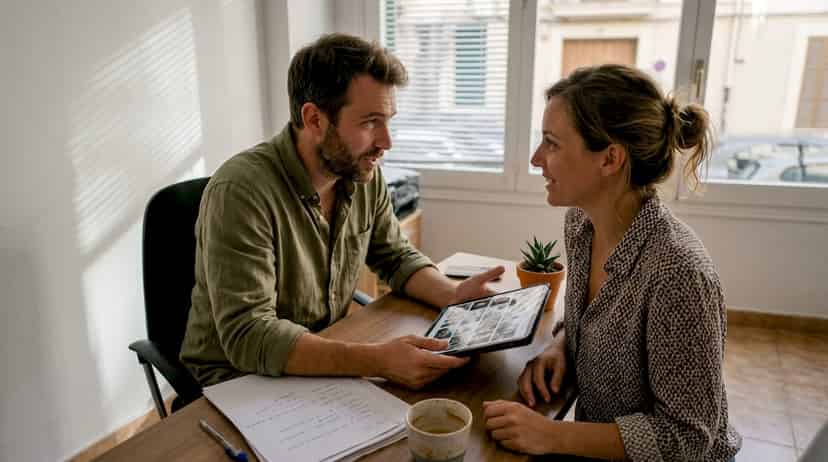
Attention. A good portrait starts with a conversation about who you are and what the images are for. A generic session starts with a booking form. The difference shows in whether the result looks like you or like someone who could be you.
How do I find the right photographer in Palma?
Look at portfolios carefully — not for technical quality, but for whether the people in the photos seem real. Read reviews that mention the process, not just the outcome. And pay attention to how the first conversation feels: do they ask about you, or just about the package?
Can AI replace portrait photography?
For some uses, probably. For images that need to represent who you actually are — to clients, to collaborators, to people deciding whether to trust you — no. The moment someone meets you and can't reconcile the photo with the person, something breaks. AI portraits create that gap reliably.
What types of portraits make sense to commission?
Any portrait where it matters that it's actually you. Studio sessions, outdoor portraits, corporate headshots, personal branding — the format is less important than the process. What makes a portrait feel right is the attention behind it, not the backdrop.